Working Hour:

09:00am to 05:00pm (Saturday & Sunday Closed)

Medical Visa

A Medical Visa is issued to people traveling to another country to receive medical treatment.

Enquire Now

    Benefits of
    UK Visa

    • Opportunity to work, study, or reunite with family in the UK.

    • Access to world-class education and healthcare.

    • Some visas provide a pathway to permanent settlement (ILR).

    • Eligibility to apply for British citizenship after ILR.

    • Ability to bring dependents (spouse/children) under many visa categories
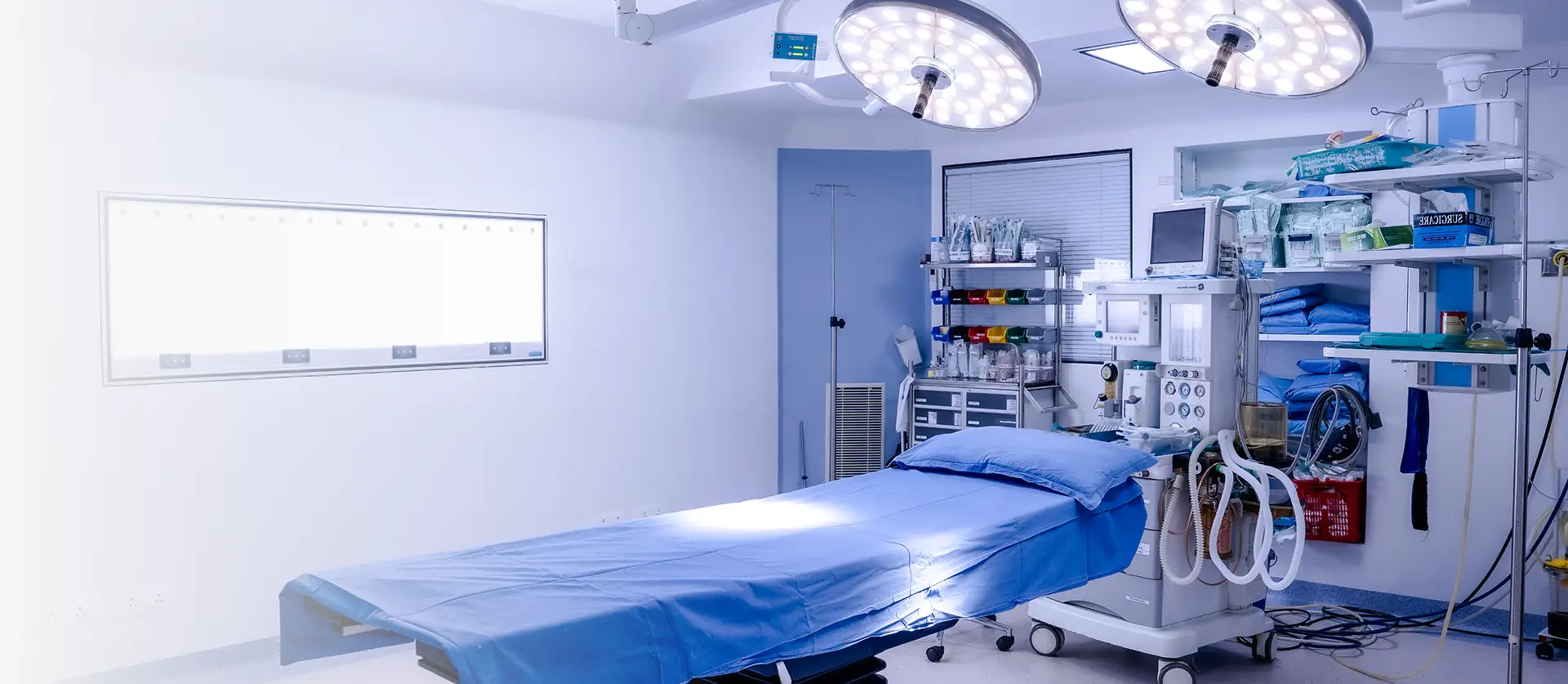
    Planning a trip to the UK for medical care may require a medical visa UK. This pathway is a subset of the Standard Visitor visa and is intended for individuals seeking private healthcare, treatment under a reciprocal arrangement, or those visiting as an organ donor.

    Securing the correct visa is crucial, especially when health issues are involved. Here, the essentials are covered: who needs a medical visa, the required documents, the application steps, and what to anticipate if an extension becomes necessary.

    FAQ ABOUT MEDICAL VISA

    Frequently asked questions

    A UK medical visa is a subcategory of the Standard Visitor visa. It permits entry to the UK for:

    • Private medical treatment at a hospital or clinic
    • NHS treatment funded by your government under a reciprocal agreement
    • ETA (Electronic Travel Authorisation): If you hail from a non-visa national country and your treatment lasts under 6 months, an ETA is required.
    • Medical Visitor Visa: If your treatment is expected to exceed 6 months, you must obtain a full medical visitor visa, valid for up to 11 months.

    Further details are available on the Home Office website.

    A medical visitor visa is required if:

    1. You are a visa national (your country sits on the visa nationals list) and you seek treatment or organ donation.
    2. You are a non-visa national with treatment lasting longer than 6 months.
    3. You are coming for private healthcare and can fund your stay.
    4. You are coming to donate an organ to a family member or close friend.
    5. NHS treatment is not automatically free. Unless covered by a reciprocal healthcare agreement, you will need to pay for treatment in full.

    When applying, proof of being a genuine visitor is required. This means:

    • You will depart the UK once treatment ends
    • You will not reside in the UK through repeated visits
    • You can cover your medical and living costs without working or relying on public funds
    • Specific Requirements for Medical Visitors


    Additionally, you will need:

    • A consultant’s letter confirming diagnosis, treatment, duration, and costs
    • Evidence of funds or private medical insurance covering all expenses
    • For NHS treatment under a reciprocal agreement, official authorization from your home government
    • TB test results (if applicable based on your country of residence)
    • For a full overview of immigration services, see UK Visas & Immigration Services.

    The process unfolds in several steps:

    • Online form: Submit through the UK Government site.
    • Visa fee: £220 for a stay of up to 6 to 11 months.
    • Biometrics: Visit a visa application centre for fingerprints and a photo.
    • Documents: Supply supporting evidence for the application.
    • Decision: Most cases are decided in about 3 weeks.
    • Supporting Documents Checklist
    • When applying, you will need to provide:
    • A valid passport with at least one blank page
    • Consultant or hospital letter confirming treatment, duration and costs
    • Proof of payment or the ability to pay (bank statements, insurance documents, sponsor letters)
    • Evidence of accommodation in the UK
    • Return flight or travel plans
    • Letter from your home doctor explaining why UK treatment is required
    • TB test certificate (if required)
    • Sponsor documents (if someone else is funding your trip)

    Carrying these documents while travelling is advisable, as UK border officers may ask to see them on arrival.

    Medical visa applications face rigorous review. Typical denial factors include:

    • Weak financial proof: unexplained deposits, insufficient funds, or lack of sponsor documentation
    • Missing consultant letters: no cost details, duration, or treatment location
    • Vague aftercare plans: lack of accommodation or post-treatment arrangements

    Immigration history: prior overstays, unpaid NHS charges, or earlier refusals

    Incorrect application path: using an ETA when treatment may exceed 6 months

    Ensure all papers are coherent, professionally translated if not in English, and submitted in full.